Key Takeaways
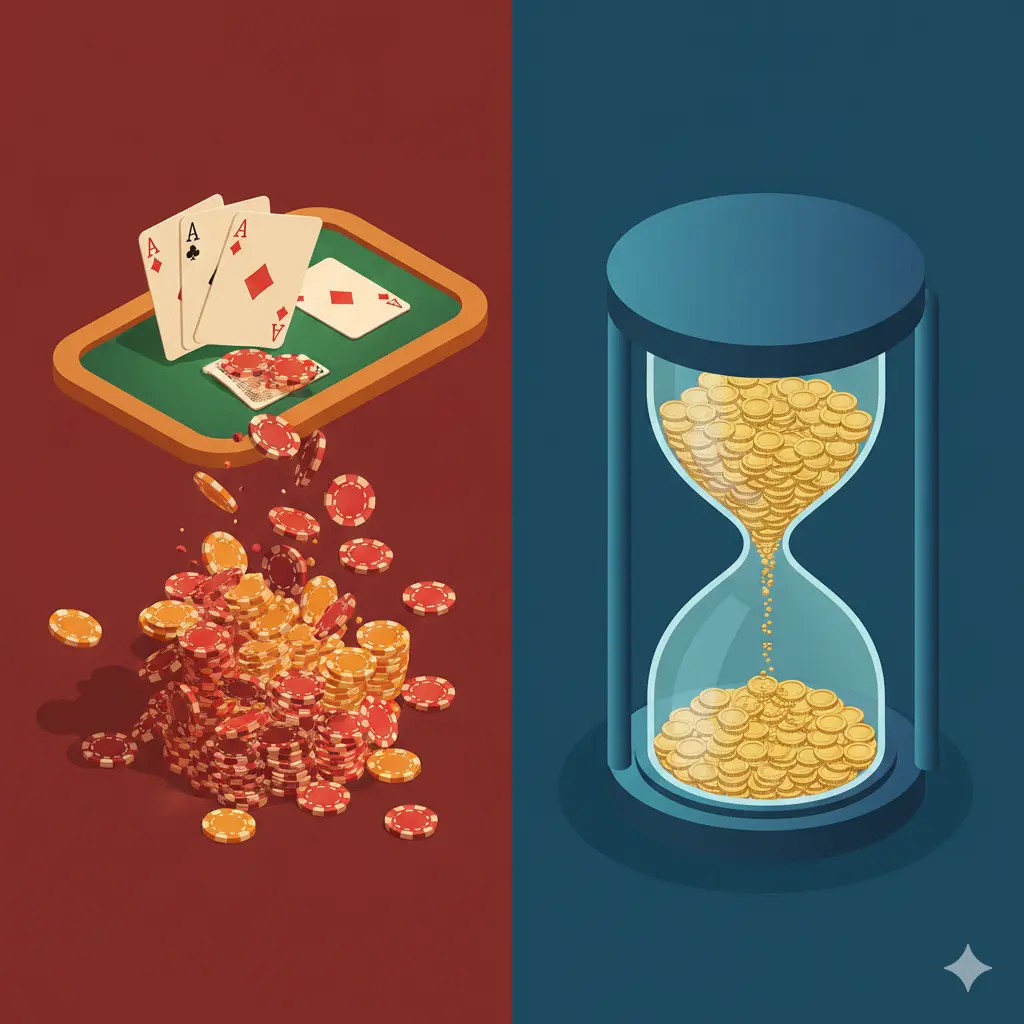
- Players often blame specific 'bad luck' moments for losses, ignoring the cumulative effect of long-term play.
- Small, repetitive bets over long sessions drain bankrolls faster than occasional high-stakes wagers.
- Game speed and auto-play features reduce the time for conscious decision-making, increasing the rate of loss.
- Cognitive biases like 'loss salience' make us remember dramatic losses while overlooking the slow drip of small wagers.
Where Players Think They Lose Money
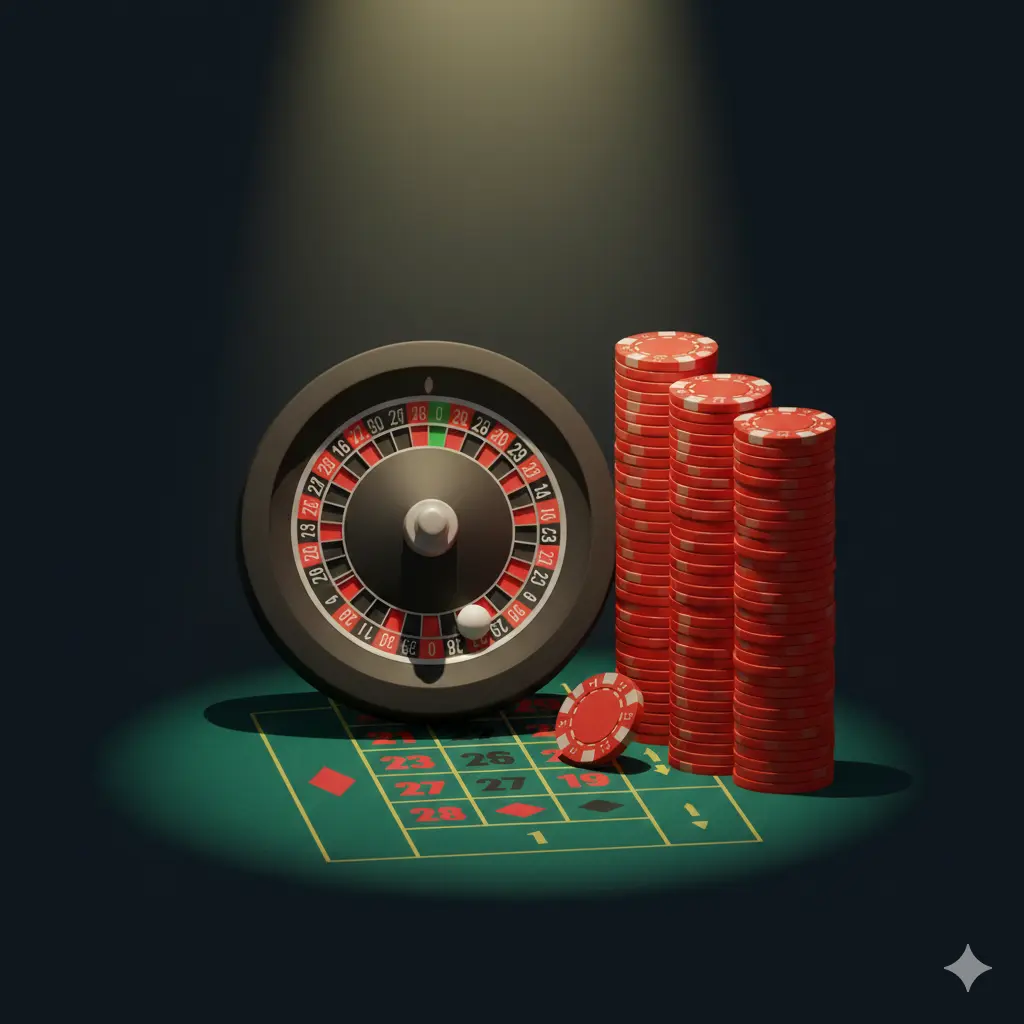
When we look back on a losing session, our brains naturally latch onto the most emotionally charged events. We remember the 'bad beats'—the dealer drawing a 21 to beat our 20, or the ball landing on 0 just next to our number. We also tend to focus on 'big bets' or high-risk decisions. If a player normally bets $1 and decides to bet $50 on a whim and loses, that $50 loss feels monumental. It becomes the scapegoat for the entire session. These events are 'salient'—they stand out against the background noise of regular play. Because they are memorable, we incorrectly assume they are the primary cause of our financial result.
Where Money Actually Disappears
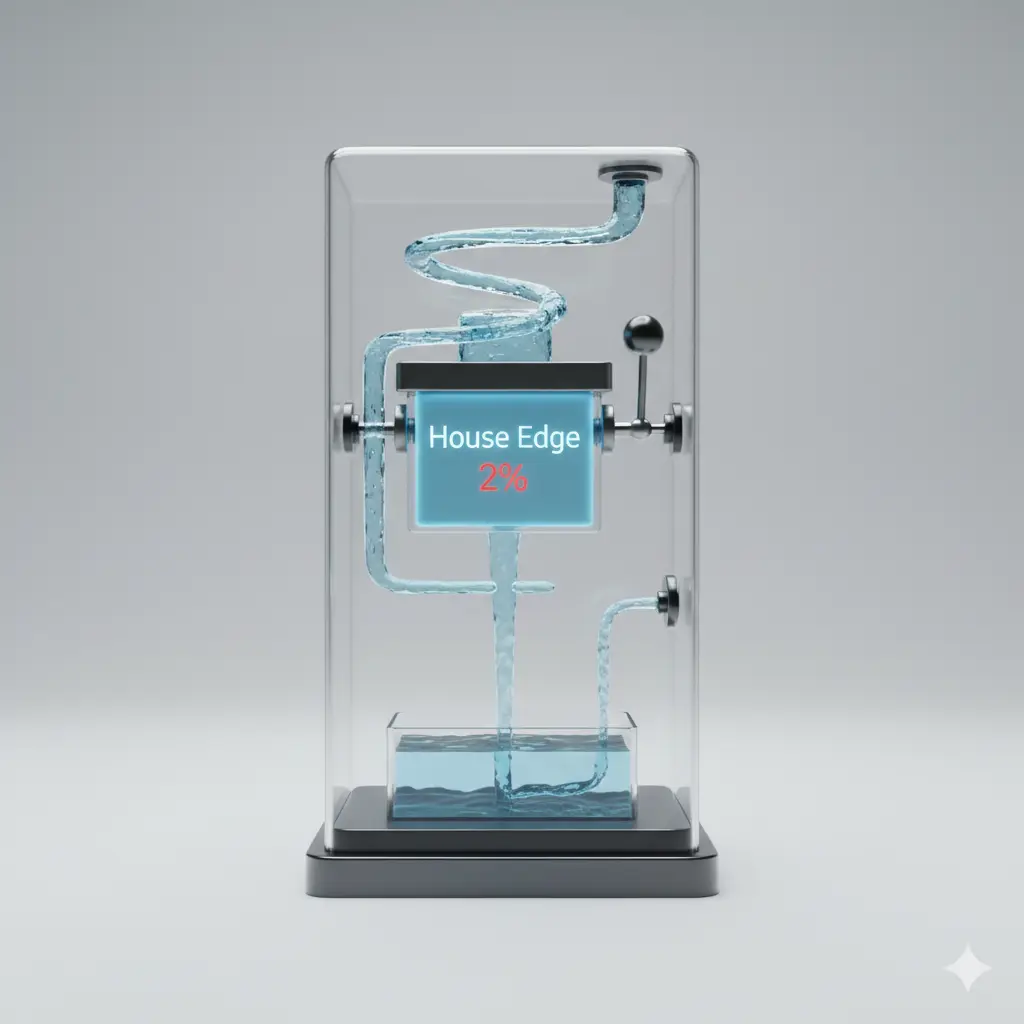
While big bets grasp our attention, the real driver of casino revenue—and player loss—is volume. The 'House Edge' is a mathematical certainty that works best over large numbers. Money is rarely lost in chunks; it is lost in cents, repeated thousands of times. Features like 'Turbo Mode' or 'Auto-Play' accelerate this process, allowing hundreds of spins per hour. A 2% edge on a slot machine might clearly cost 2 cents per dollar, but at 600 spins an hour, that 2 cents is compounded relentlessly. It is the boring, repetitive, low-stakes base game where the true mathematical erosion of a bankroll occurs, effectively invisible to the player in real-time.
The Role of Time and Session Length
Time is the multiplier of risk. The longer a session lasts, the more likely the mathematical probability (the House Edge) will manifest. Short sessions allow for variance—anything can happen in 10 minutes. But in a 4-hour session, the statistical probability of losing approaches 100%. Furthermore, decision fatigue sets in. As hours pass, our ability to make disciplined choices degrades, leading to 'chasing' behaviors or mindless betting. The most expensive decision a player often makes isn't a specific bet, but the decision to keep playing for 'just one more hour.'
Why This Gap Exists (Cognitive Biases)
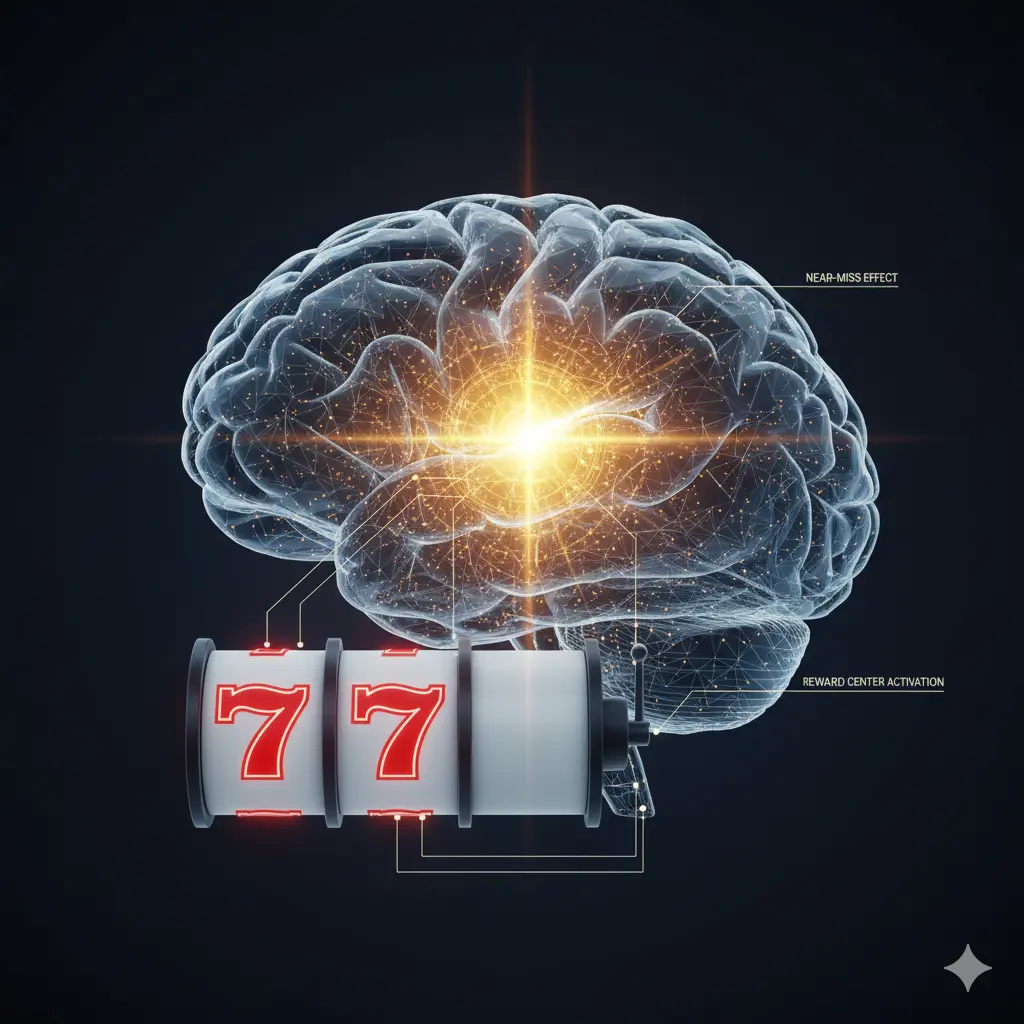
Our brains are not wired for probability; they are wired for stories. We suffer from 'Loss Salience,' where a sharp, sudden loss hurts more than a slow, gradual decline. We also fall for 'Anchoring,' fixing our mental state on a high-water mark ('I was up $100!') and viewing anything less as a loss to be recovered. 'Near-misses'—where a slot reel stops just short of a jackpot—trigger a dopamine response similar to winning, encouraging us to continue despite the loss. These cognitive tricks mask the reality of the slow drain, keeping us focused on the 'big win' that feels just around the corner.
Conclusion
Understanding where money actually goes is the first step toward healthier play. It is not necessarily about stopping, but about recognizing the invisible leaks. By shifting focus from 'beating bad luck' to managing session length and game speed, players can exert more control over their experience. The awareness that a $0.50 bet repeated 1000 times costs more than a single $50 bet is a powerful tool for bankroll management.
Primary sources
- UK Gambling Commission — Information companies must provide about an account
- National Council on Problem Gambling — Support resources
Sources checked September 8, 2026. Regulatory guidance cited here applies to its stated jurisdiction.